






You have sold credit or packs with 100 USD on your gaming server site. It has completed player payment, but the sample amount remaining to you in the transaction report is 96,70 USD. In another tariff, it remains 94,50 USD from the same sale. To understand the difference between you, you need to calculate the percentage of commission per transaction, fixed fee per transaction and interruptions in bank transfer. On this guide you pay online We tell you how much methods are compared to your own sales and find out how long it stays from the collection.
All monetary examples are dealt with US dollars, namely USD. We will first set a simple trading account, then we will look at how small orders change the result of monthly sales volume, returns and transfer time. The provider has been prepared to show calculation of non-named offers. In the section where real tariffs are included, check history and related Find pricing links.
You can set up the account in three lines. The transaction fee is the addition of the fixed fee to the palpitation of the commission rate with the sales amount. The amount after the failure is the removal of this fee from the sale amount. The effective commission rate is divided into the sales amount of the total fee and multiply by 100. This final account shows that 3 percent on the offer does not represent the total cost at each order.
The remaining amount in the table is only the balance after the specified transaction fee. The product costs, taxes, returns and other service costs are not included in this account. Also add your own expenses when making a deposit account. Clear on the offer as well as which amount the provider calculates the commission. The same processing effect of the commission and fixed fee in the sample tariff.
Prepare the same information for two offers. The sales amount is 20 USD, the payment one-time, the deposit currency USD and the target customer group get the same. Then write percentage rate, fixed fee, if there are foreign card additional fee and transfer conditions side by side. The rates given for different country or payment terms can be misleaded in a single line.
In manual bank transfer you also need to install a process flow. Explain where the order number will be written and when the payment is checked. Specify missing amount, no explanation transfers and how to proceed for two orders in the same amount. Also evaluate the time that these controls receive from the team next to the bank or vehicle fee. The cost that appears low is very much, the cost it looks too with a number of manual operations, it can turn into a different workload.
Imagine two separate streams for your server: the player first upload site balance and purchase a package directly. The collection takes place when credit is loaded; do not collect the same balance as a second cash sale to be spent on the product. It also does not mean that after 10 USD installation, it will remain 9,40 USD due to the transaction fee in your account, the credit you advertised to the player will be reduced. Calculate your payment cost separately with the right to be given to the player.
In this table there are no tax, exchange, transfer and other pens special to your account. Verify that your product is accepted when choosing the provider, it can be used for your account and supported the payment flow you need. No further balance on a table will show that the same option for all businesses would be appropriate.
Separate the platform fee and payment processing fee in game-oriented solutions such as Tebex. The standard rate of Tebex is 5 percent, FiveM For 15 percent is included. These rates are not the total cost of payment per single. Add other fees of the product and method you use from the process casting. Separately Tebex platform fee certificate explained.
Think of two examples offer. A offer is 3 + 0,30 USD per cent, B offer only 3,6 percent. Two of them produce the same 1,80 USD fee in order to 50 USD. Under this amount, B gives a lower transaction fee on it. For example, 10 USD for sale A 0,60 USD, 0.36 USD for B are cut. 100 USD is charged for A for 3,30 USD, B for 3,60 USD.
Apply this account to your products that are most often sold. Check out how many times the fixed fee is generated per total payment if you offer several products in one basket. Protect the disclosure of the products and total price required by the customer when creating a package. Evaluate your decision with the cost difference in actual order distribution.
The same 2,000 USD turnover drops to 6 USD if only 20 orders the fixed fee total of the first offer. Total trading costs 66 USD. The second offer still holds 72 USD. Thus, when the number of orders changes in the same turnover, the lower cost option varies. This is why it is important to add the average basket amount to the comparison of the bid.
If you have a monthly service fee on your offer, add it on the sum. For example, 20 USD monthly fee creates an additional cost of 0,10 USD per order in 200 orders. This distribution is for monthly evaluation. It does not mean that the provider really cuts 0,10USD in every transaction. Keep the monthly price with trading fees in separate lines. The cost of offerings can also vary when the number of transactions changes.
The difference of the same rates on sale from 5,000 USD per month is 60 USD. Consider the dates of your hosting, advertising and other payments while evaluating this amount. Save separately on the day when the provider’s transfer has been added to the available balance of the bank. Add them to the payment calendar if there is a minimum transfer amount or pending review.
The USD price does not show, pay and bank transfer will necessarily be USD. Check the currency shown to the customer individually, which is truly charged currency and currency transferred to your account. If for example, after the transaction fee there are 19,10 USD balance, then find out the cost of dry and conversion used while conversion to another currency. Check the transfer price also if you are receiving a transfer.
If you offer installments to the customer, read your transfer plan separately with its payment plan. See how the total fee changes when the number of taxis changed, the amount that the client sees and the balance to be transferred to you in the sample transaction casting. Compare the provider proposal through the same installment conditions.
Bank transfer often covers multiple orders. In an example, gross sale of 5.000 USD in a transfer, 165 USD trading fee, 100 USD return and 5 USD transfer fee will be sent to the bank 4.730 USD if there is no additional fee or commission refunds for returns in this sample. Add the same account if there is another downtime or correction in the actual report.
In each registration you have the order number, provider transaction number and bank transfer ID. When the customer writes about a transaction, you can pay from sales to transfer without payment. If a spend appeal has been opened, follow the object amount and the fee separately from the normal return. So you can explain why the amount from your bank account is different from the order sum.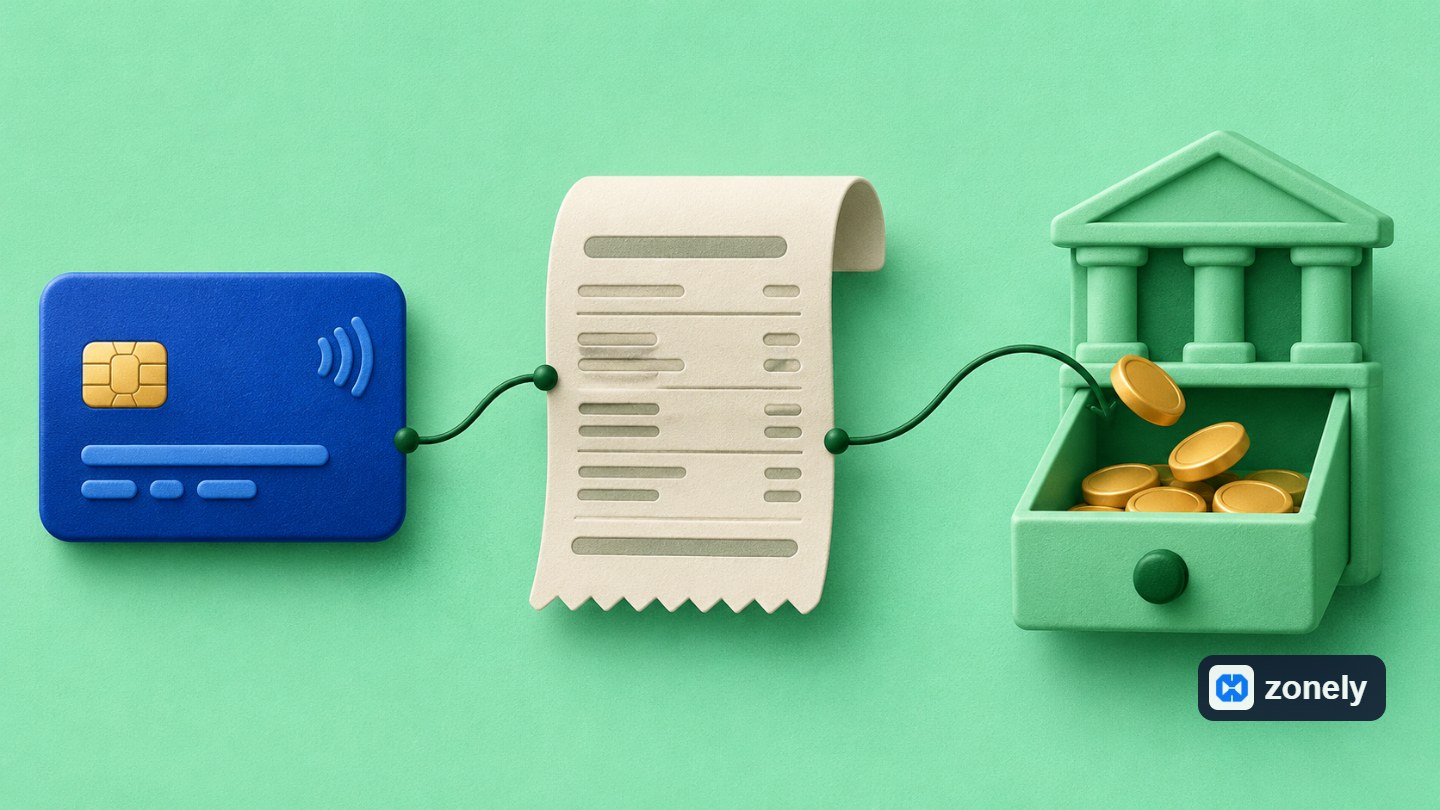 Connect order, payment and bank transfer records together.
Measure how many customers have completed the process. Rate the results with the same period, device, country and similar order amounts. Note that if a campaign brought a different customer audience. Check out enough trial instead of interpreting as success of a single day change method. The reasons such as card declined, giving up in verification and technical error are separate group.
As an example, let’s assume that every 100 payment trial with 20 USD is completed in the first method of 80, and 85 in the second method. While there is no fixed fee and other downtime, the initial method of 2.9% commissions remain 1.553,60 USD after transaction fees. On the face 3,3 on the second method remains 1.643,90 USD. Although the failure of the second method is higher, this assumptional result is ultimately the Five additional payments completed form a difference of 90,30 USD. This is not a provider’s performance claim; it shows that you need to read the commission and completion rate in your own trial together.
Try the flow yourself from the phone. Is it right on the total amount of payment page, is it clear to order status in return, what will be done in case of error? Check the provider record before you want to repay if the result of the transaction is uncertain. With the fact that successful payment does not reflect to the order, really should be resolved differently.
All monetary examples are dealt with US dollars, namely USD. We will first set a simple trading account, then we will look at how small orders change the result of monthly sales volume, returns and transfer time. The provider has been prepared to show calculation of non-named offers. In the section where real tariffs are included, check history and related Find pricing links.
1. Calculate the Commission as per cent and fixed fee
One of the most frequent fee structures is the addition of fixed amount per transaction to a certain percentage of the sales amount. Our sample offer get 0,30 USD for 3 percent and each successful process. The 100 USD per cent in sale will be 3 USD, total trading fee is 3,30 USD. This fee remains 96,70 USD from the transaction when received. In the same tariff, the price of 10 USD is 0,60 USD.You can set up the account in three lines. The transaction fee is the addition of the fixed fee to the palpitation of the commission rate with the sales amount. The amount after the failure is the removal of this fee from the sale amount. The effective commission rate is divided into the sales amount of the total fee and multiply by 100. This final account shows that 3 percent on the offer does not represent the total cost at each order.
| Sales | Fee and Rate | Home |
|---|---|---|
| 5 USD | 0,00 USD Total %9,00 | 4,55 USD |
| 10 USD | 0,60 USD %6,00 | 9,40 USD |
| 20 USD | 0,90 USD %4,50 | 10.10 USD |
| 50 USD | 1,80 USD %3,60 | 48,20 USD |
| 100 USD | 0,00 USD Total %3,30 | 96,70 USD |
The same processing effect of the commission and fixed fee in the sample tariff.2. Compare payment methods with same sales conditions
Card, digital wallet and bank transfer offer different payment ways to customer. In a card process, verification step can be found. The client enters another application in the bank transfer and its amount and description. When you prefer, evaluate the most often sales countries along with the methods that your customers use and the average order amount. Low downtime of a method does not mean that your customer can use that method.Prepare the same information for two offers. The sales amount is 20 USD, the payment one-time, the deposit currency USD and the target customer group get the same. Then write percentage rate, fixed fee, if there are foreign card additional fee and transfer conditions side by side. The rates given for different country or payment terms can be misleaded in a single line.
In manual bank transfer you also need to install a process flow. Explain where the order number will be written and when the payment is checked. Specify missing amount, no explanation transfers and how to proceed for two orders in the same amount. Also evaluate the time that these controls receive from the team next to the bank or vehicle fee. The cost that appears low is very much, the cost it looks too with a number of manual operations, it can turn into a different workload.
Imagine two separate streams for your server: the player first upload site balance and purchase a package directly. The collection takes place when credit is loaded; do not collect the same balance as a second cash sale to be spent on the product. It also does not mean that after 10 USD installation, it will remain 9,40 USD due to the transaction fee in your account, the credit you advertised to the player will be reduced. Calculate your payment cost separately with the right to be given to the player.
3. Read real provider rates with USD
In standard prices controlled on November 11, 2026, the Paddle broadcasts 5 + 0,50 USD per transaction; Creem is 3.9% + 0,40 USD per cent. Both offer Merchant of Record model. The provider in this model is topped up the role of the registered seller in the transactions accepted. The following account shows only the implementation of this two basic tariffs to the same USD amount. Paddle pricing and Creem pricing You can review the current terms on-site.| Sales | Home | Tags |
|---|---|---|
| 10 USD | 1.00 USD fee 9,00 USD remaining | 0.79 USD fee 9,21 USD |
| 20 USD | 1,50 USD fee 18,50 USD remaining | 1,18 USD fee 18,82 USD remaining |
| 50 USD | 3.00 USD fee 47,00 USD remaining | 2,35 USD fee 47,65 USD remaining |
| 100 USD | 5,50 USD fee 94,50 USD remaining | 4,30 USD fee 95,70 USD remaining |
Separate the platform fee and payment processing fee in game-oriented solutions such as Tebex. The standard rate of Tebex is 5 percent, FiveM For 15 percent is included. These rates are not the total cost of payment per single. Add other fees of the product and method you use from the process casting. Separately Tebex platform fee certificate explained.
4. See the effect of fixed fee in small orders
In order to USD 5 in the first table, a fee of 0,45 USD corresponds to 9 percent of the sale. The effective rate of the same tariff is 3,60 percent when the order is 50 USD. Because 0,30 USD received per transaction constitutes a larger portion of the small amount. If you have low price products, do not only do the evaluation over the most expensive product.Think of two examples offer. A offer is 3 + 0,30 USD per cent, B offer only 3,6 percent. Two of them produce the same 1,80 USD fee in order to 50 USD. Under this amount, B gives a lower transaction fee on it. For example, 10 USD for sale A 0,60 USD, 0.36 USD for B are cut. 100 USD is charged for A for 3,30 USD, B for 3,60 USD.
Apply this account to your products that are most often sold. Check out how many times the fixed fee is generated per total payment if you offer several products in one basket. Protect the disclosure of the products and total price required by the customer when creating a package. Evaluate your decision with the cost difference in actual order distribution.
5. Find total cost with monthly sales volume
Imagine that the monthly 2,000 USD sales comes from 200 orders. In 3 + 0,30 USD offer, the total of fixed fees is 60 USD per cent. The monthly transaction costs take out to 120 USD. In 3,6% no fixed fee, the same volume cost will be 72 USD. In this example, the second offer produces less than 48 USD for the month.The same 2,000 USD turnover drops to 6 USD if only 20 orders the fixed fee total of the first offer. Total trading costs 66 USD. The second offer still holds 72 USD. Thus, when the number of orders changes in the same turnover, the lower cost option varies. This is why it is important to add the average basket amount to the comparison of the bid.
If you have a monthly service fee on your offer, add it on the sum. For example, 20 USD monthly fee creates an additional cost of 0,10 USD per order in 200 orders. This distribution is for monthly evaluation. It does not mean that the provider really cuts 0,10USD in every transaction. Keep the monthly price with trading fees in separate lines.
The cost of offerings can also vary when the number of transactions changes.6. Calculate transfer time and currency conversion
With the approval of the sale, it can take place in different times when the money reaches to your bank account. This transfer calendar is also referred as a valör. One of the two assumptional offers 4 percent for transfer on the next business day, you get 2,8 percent for transfer after 14 days. When there is no other downtime, 96 USD in the first of 100 USD will remain 97,20 USD in the second. The second offer leaves more than 1,20 USD and requires you to get more late to money.The difference of the same rates on sale from 5,000 USD per month is 60 USD. Consider the dates of your hosting, advertising and other payments while evaluating this amount. Save separately on the day when the provider’s transfer has been added to the available balance of the bank. Add them to the payment calendar if there is a minimum transfer amount or pending review.
The USD price does not show, pay and bank transfer will necessarily be USD. Check the currency shown to the customer individually, which is truly charged currency and currency transferred to your account. If for example, after the transaction fee there are 19,10 USD balance, then find out the cost of dry and conversion used while conversion to another currency. Check the transfer price also if you are receiving a transfer.
If you offer installments to the customer, read your transfer plan separately with its payment plan. See how the total fee changes when the number of taxis changed, the amount that the client sees and the balance to be transferred to you in the sample transaction casting. Compare the provider proposal through the same installment conditions.
7. Match returns and bank transfer in the same record
Let’s assume that the trading fee of 3,30 USD from 100 USD is cut and remain 96,70 USD. Then 20 USD partial refunds are made to the customer. If the initial transaction fee is not returned and there is no additional refund fees or the remaining balance from the transaction is 76,70 USD, if the fee refund application is different, the result also changes. Read the return amount, the commission given and the additional price in separate lines.Bank transfer often covers multiple orders. In an example, gross sale of 5.000 USD in a transfer, 165 USD trading fee, 100 USD return and 5 USD transfer fee will be sent to the bank 4.730 USD if there is no additional fee or commission refunds for returns in this sample. Add the same account if there is another downtime or correction in the actual report.
In each registration you have the order number, provider transaction number and bank transfer ID. When the customer writes about a transaction, you can pay from sales to transfer without payment. If a spend appeal has been opened, follow the object amount and the fee separately from the normal return. So you can explain why the amount from your bank account is different from the order sum.
Connect order, payment and bank transfer records together.8. Measure the complete rate of payment
Imagine you compare another method of 3,3 percent by a means of 2.9% pouches on the face. If there is no fixed fee, the difference between 20 USD will be 0,08 USD. However, it affects total collection as customers are easily transmitted on the payment page. Don’t miss out on half-term payment trials when looking at the price cut from successful transactions.Measure how many customers have completed the process. Rate the results with the same period, device, country and similar order amounts. Note that if a campaign brought a different customer audience. Check out enough trial instead of interpreting as success of a single day change method. The reasons such as card declined, giving up in verification and technical error are separate group.
As an example, let’s assume that every 100 payment trial with 20 USD is completed in the first method of 80, and 85 in the second method. While there is no fixed fee and other downtime, the initial method of 2.9% commissions remain 1.553,60 USD after transaction fees. On the face 3,3 on the second method remains 1.643,90 USD. Although the failure of the second method is higher, this assumptional result is ultimately the Five additional payments completed form a difference of 90,30 USD. This is not a provider’s performance claim; it shows that you need to read the commission and completion rate in your own trial together.
Try the flow yourself from the phone. Is it right on the total amount of payment page, is it clear to order status in return, what will be done in case of error? Check the provider record before you want to repay if the result of the transaction is uncertain. With the fact that successful payment does not reflect to the order, really should be resolved differently.
9. Prepare a feasible comparison for the first month
Prepare a small table based on your own sales to decide. Write the most commonly used three basket amounts, monthly number of transactions, target countries and transfer currency. Give the same information to each provider. Then check what lines the offer is formed by requesting sample trading casting.- Calculate the total processing fee and remaining amount for 10, 20 and 100 USD sample sale.
- Find total cost with monthly sales volume and order count. Add monthly fixed costs as well.
- Match all downtimes for example of a partial return and a bank transfer.
- Save the dates that the payment is approved, the transfer was launched and reached to the bank.
- Evaluate the payment trials together with the number of orders that require complete rate and support.



“I give it 10 out of 10. Even other software doesn’t offer this many features.”